When you’re expecting a new baby, there’s a lot to prepare: outfitting the nursery, stocking up on diapers or choosing a pediatrician. It’s also not too early to consider how to protect your new child’s dental development.
From birth through adolescence, a child’s mouth goes through a whirlwind of growth. Hopefully, it all follows a normal track, but detours can arise like tooth decay or bite problems.
Here are 4 things you can do to keep your child’s dental development on track.
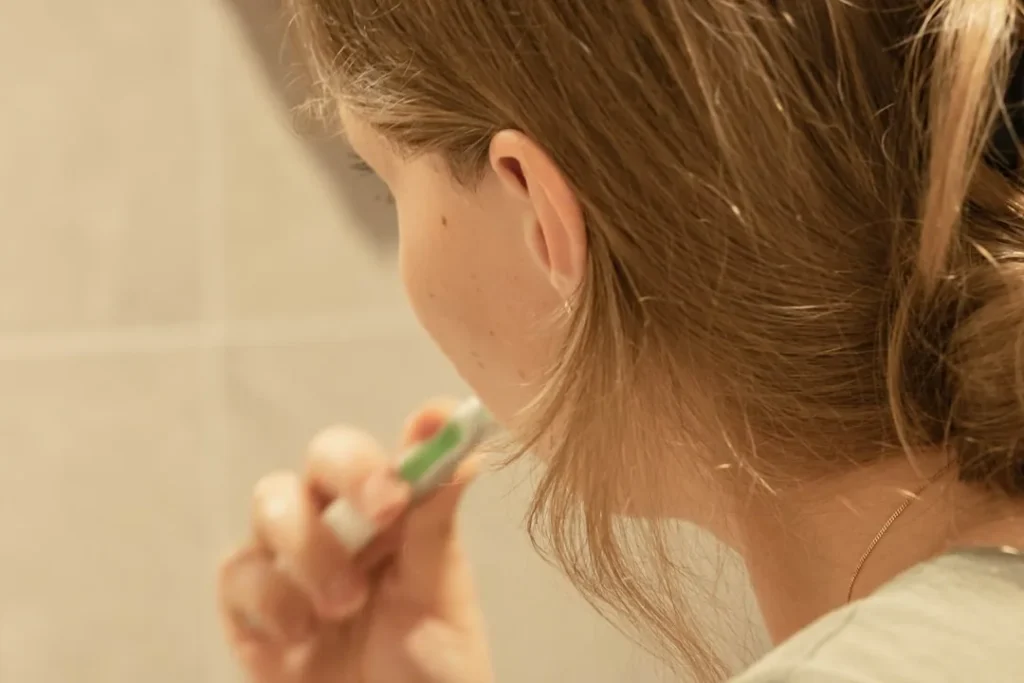
Start oral hygiene before teeth. Daily oral hygiene is essential toward helping your child avoid tooth decay. And don’t wait for teeth to come in—begin wiping their gums with a clean, damp cloth right after nursing. When teeth do appear, switch to brushing with just a smear of toothpaste and then add flossing as more teeth come in.
Begin regular dental visits. The American Dental Association recommends pediatric dental visits around the first birthday. The possibility of tooth decay becomes a concern around this time as the primary teeth are steadily erupting. Starting earlier rather than later may also help your child adjust to the routine of dental visits that they’ll most likely carry on as they get older.
Control their sugar consumption. Because sugar is a prime food source for disease-causing bacteria, you should keep your child’s sugar consumption as controlled as possible. For example, don’t put a baby to bed with a bottle filled with a sugary liquid (including juice and breast milk)—the constant presence of the liquid during nap time encourages bacterial growth and acid production.
Get an orthodontic evaluation. While we often associate orthodontic treatment with the teen years, it may be possible to head off bite problems earlier. So, see an orthodontist for a bite evaluation when your child is around age 6. If there are signs of a developing problem, certain techniques could help stop or slow them from getting worse, helping you avoid extensive and expensive treatment later.
With a newborn coming, you and your family have a lot on your plate. Be sure, though, not to forget making plans for keeping their teeth and gums healthy.
If you would like more information on dental care for your child, please contact us or schedule an appointment for a consultation. You can also learn more about this topic by reading the Dear Doctor magazine article “Age One Dental Visit.”
Related articles
Don’t Use Benzocaine Products to Ease Your Baby’s Teething Pain
Although teething is a natural part of your baby's dental development, it can be quite uncomfortable for them—and upsetting to you. During teething, children can experience symptoms like pain, drooling or irritability.
Hockey Season Is Upon Us – Is Your Star Athlete Ready With Mouth Protection?
The New Year: Time to put away those holiday decorations, collect tax records and—if you're a pro hockey player—get chummy with your dentist. That's right! After a disrupted 2020 season due to COVID-19, the NHL is on track to start...
What’s That on Your Teeth, Nick Jonas? How to Avoid a Similar Smile Oops
Think no one is looking at your smile when you’re out in public? Nick Jonas’ recent experience might convince you otherwise. While the Jonas Brothers were performing during the 2020 Grammys, fans watching on television picked up on some dark...