October is National Dental Hygiene Month. It comes as no surprise that good dental hygiene habits are best acquired early in life—and with good reason, as tooth decay is the most common disease among children. In fact, a full 43 percent of U.S. children have cavities, according to a 2018 report from the U.S. Centers for Disease Control. So how do you start young children on the path to a lifetime of good oral health? Here are five tips for instilling good dental hygiene habits in your kids:
Set a good example. Good—and bad—habits often start at home. Research shows that when young children notice other family members brushing their teeth, they want to brush, too. So let your child see you brushing and flossing your teeth, and while you’re at it model good nutritional choices for optimal oral health and use positive language when talking about your own dental visits. The example you set is a powerful force in your child’s attitude toward oral care!
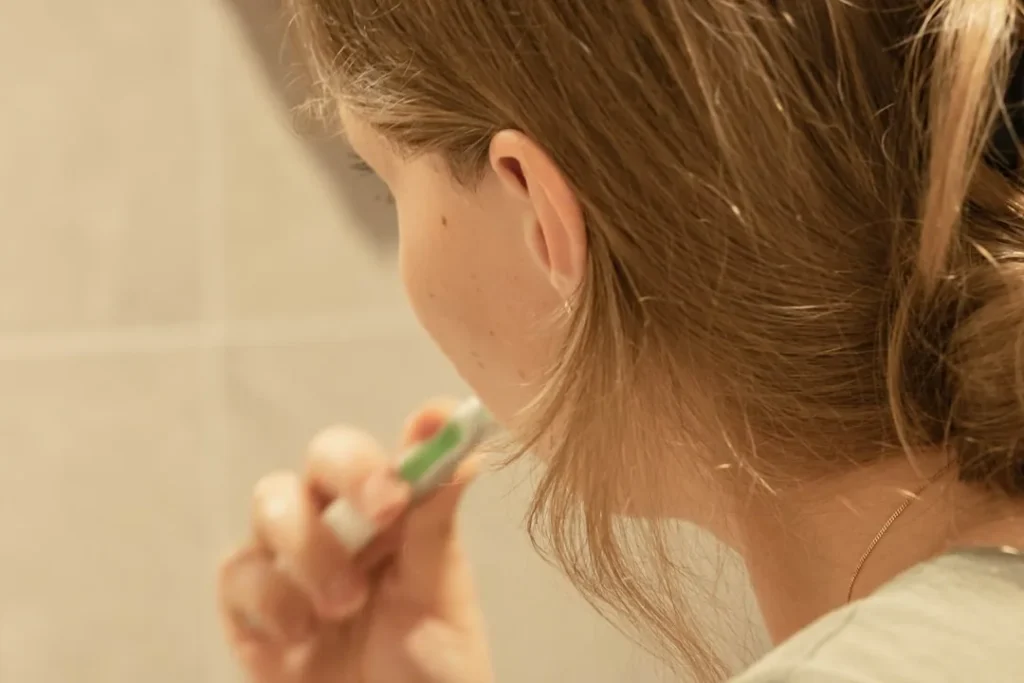
Start early. You can start teaching children brushing techniques around age two or three, using a toothbrush just their size with only a pea-sized amount of fluoride toothpaste. If they want to brush by themselves, make sure you brush their teeth again after they have finished. Around age six, children should have the dexterity to brush on their own, but continue to keep an eye on their brushing skill.
Go shopping together. Kids who handpick their own oral hygiene supplies may be more likely to embrace the toothbrushing task. So shop together, and let them choose a toothbrush they can get excited about—one in their favorite color or with their favorite character. Characters also appear on toothpaste tubes, and toothpaste comes in many kid-friendly flavors.
Make dental self-care rewarding. Why should little ones care about good dental hygiene? Young children may not be super motivated by the thought of a long-term payoff like being able to chew steak in their old age. A more tangible reward like a sticker or a star on a chart each time they brush may be more in line with what makes them tick.
Establish a dental home early on. Your child should start getting regular checkups around age one. Early positive experiences will reinforce the idea that the dental office is a friendly, non-threatening place. Children who get in the habit of taking care of their oral health from an early age have a much better chance of having healthy teeth into adulthood.
If you have questions about your child’s dental hygiene routine, call the office or schedule a consultation. You can learn more in the Dear Doctor magazine articles “Do Babies Get Tooth Decay?” and “How to Help Your Child Develop the Best Habits for Oral Health.”
Related articles
Don’t Use Benzocaine Products to Ease Your Baby’s Teething Pain
Although teething is a natural part of your baby's dental development, it can be quite uncomfortable for them—and upsetting to you. During teething, children can experience symptoms like pain, drooling or irritability.
Hockey Season Is Upon Us – Is Your Star Athlete Ready With Mouth Protection?
The New Year: Time to put away those holiday decorations, collect tax records and—if you're a pro hockey player—get chummy with your dentist. That's right! After a disrupted 2020 season due to COVID-19, the NHL is on track to start...
What’s That on Your Teeth, Nick Jonas? How to Avoid a Similar Smile Oops
Think no one is looking at your smile when you’re out in public? Nick Jonas’ recent experience might convince you otherwise. While the Jonas Brothers were performing during the 2020 Grammys, fans watching on television picked up on some dark...